Japandi · Kitchen
Japandi Kitchen Ideas
A kitchen has to survive cooking. The style is the cabinet front, the work light, and what you are willing to leave out. In a Japandi kitchen, that means the materials and the lamp before any extra object. The kitchen uses the same pale oak and the closed cabinet. Open wood shelves hold a few ceramics, not a week's groceries. The lamp is warm over the work, not a row of cold spots. The longer version of a neighbouring room is the Japandi living room.


- Warm white#F2EDE4
- Pale oak#D8C3A5
- Oat linen#B9A88F
- Moss#6B705C
- Ink#2B2B2B
How to get the look
Layout
Keep the work run clear. The table or the stools sit out of the path between the sink and the hob. Open shelves are for the few things that look as good as they are useful. The sample plan is a drawing of that sequence. Walk the room once before you buy. If the path from the door is blocked by the first piece, the piece is too big or too far forward. The Japandi hub covers the style across rooms, and the kitchen hub shows the other published versions of this space. Buy the seat and the closed storage before the lantern. Japandi fails in the shop, where low benches are styled with five objects and a red cushion. At home the cushion goes, the objects go behind the door, and the wood stays pale oak or ash. If a piece is glossy, leave it. If it needs a story about Japan printed on a label, leave it. The working palette is a design choice for these pages: warm white, pale oak, oat linen, moss and ink. It is not a paint brand's official set. Use it to stop yourself adding a sixth colour. Mix in a mid-century piece only if the wood agrees and you do not add that style's mustard or teal as well. People still ask whether the sofa can be comfortable. It can, if the seat is deep. The frame stays low either way. In the kitchen, protect the work run. Style that blocks the sink is not style you will keep. The cabinet front and the pendant can carry the look while the counter stays clear enough to cook. Open shelves are optional and small. The sample plan is a drawing of a modest kitchen, with dimensions you can compare to your own, not a claim about a house we measured. The five shop cards are roles, with no outbound link and no invented price. Cook once in your head before you change a finish. Where do the boards go, where does the bin go, and can you still open the oven. The style has to survive that sequence. Use the detail pictures to judge the cabinet colour and the metal, then ignore anything on the counter that would not last a week of actual meals. A kitchen styled with bowls you do not own will be cleared the first night you cook. Keep one open shelf if you like the look, and give everything else a door. The living room page for this style is the place to match the wood so the two rooms do not argue when the door between them is open.
Materials
Pale oak or ash, linen, wool, paper, rattan, jute, stone and matte ceramic are the materials that carry Japandi. Keep the list short. A linen sofa, an oak table and a jute rug already give you the warm-white, oat and moss range of the working palette (#F2EDE4, #D8C3A5, #B9A88F, #6B705C, #2B2B2B). Ink-black is an accent, not a second scheme. Shiny lacquer, red accents and a shelf of small objects fight the empty floor the look depends on. Closed storage matters more than another decorative surface: a slatted sideboard hides the things you use every day so the room can stay quiet.
Lighting
Late-morning light, softened, is the model. One practical lamp at a warm colour temperature does more than a grid of downlights. A washi or paper lantern is the usual practical: generic paper, not a branded design. Overhead downlights are the mistake that gets named most clearly. They are described as making the room feel like a conference room. Put the light at seated height, leave the ceiling plain, and let the window do the daytime work.
Five pieces that do the work
1. Closed oak cabinet
Most of the storage has a door. Open shelves are the exception, for the few things that are already calm: a stack of plain plates, one bowl. A shelf of gadgets is the shop version of Japandi, and it fails here first.
2. Oak open shelf
One run of oak shelf, short, with space between objects. Paper, ceramic and wood. If an object is glossy or needs a label about Japan, it does not go on the shelf.
3. Wood counter stool
A stool in pale oak or ash, simple, if the counter is where you sit. It is a seat, not a sculpture. Leave the walk to the door and the window clear, which the sample plan is there to help you check.
4. Matte ceramic table lamp
A small matte lamp on the counter for the evening, warm, if the ceiling is otherwise plain. The named mistake is a grid of downlights that makes the room feel like a conference room. Light the work, not the ceiling.
5. Looped jute rug
A jute or wool runner where you stand, if the floor can take it. It is the textile. It is not a reason to add a red cushion or a row of small objects along the counter.
Common mistakes
Downlights as the only light
A ceiling full of cool spots is the look people compare to a conference room. One warm practical lamp and the window are enough.
Filling every wall
Japandi leaves floor and wall empty on purpose. If every corner has a plant or a shelf, you have decorated past the style.
Clutter instead of closed storage
Open display of everyday things undoes the empty space. Put them behind the sideboard door.
Frequently asked questions
Is Japandi still in style in 2026?
In this kitchen: People are still asking that in 2026. The useful version is not a trend costume. It is low furniture, pale wood, natural cloth and storage that closes. That combination does not depend on a single year's colour.
Can you mix Japandi and mid-century modern?
In this kitchen: Yes, if you keep one wood family and one accent. A tapered walnut piece can sit with a low linen sofa. Stop before you add a second strong colour. The mix fails when every chair is a different decade.
Can a Japandi sofa still be comfortable?
In this kitchen: That is a real question from a 2026 advice thread. Comfort comes from seat depth and a textile you want to touch, not from raising the frame. Keep the sofa low and the cushion generous.
Related ideas
More Japandi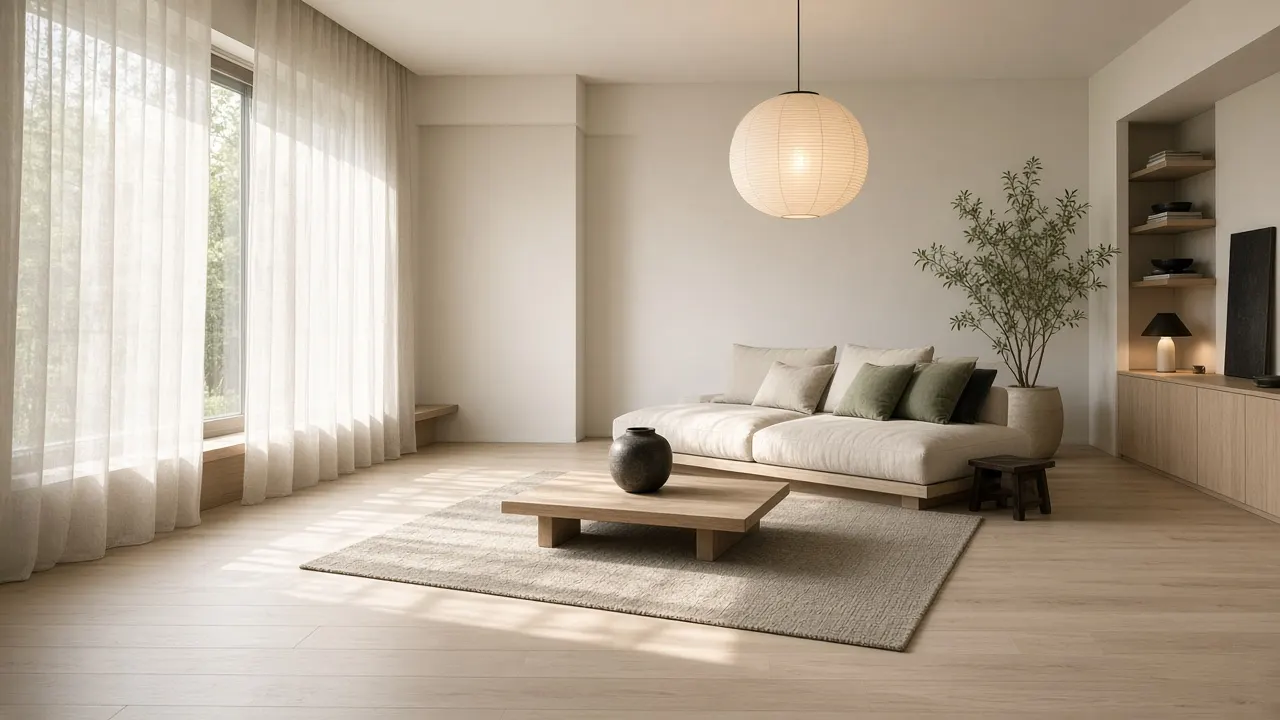
Japandi Living Room Ideas
Japanese restraint with Scandinavian warmth.
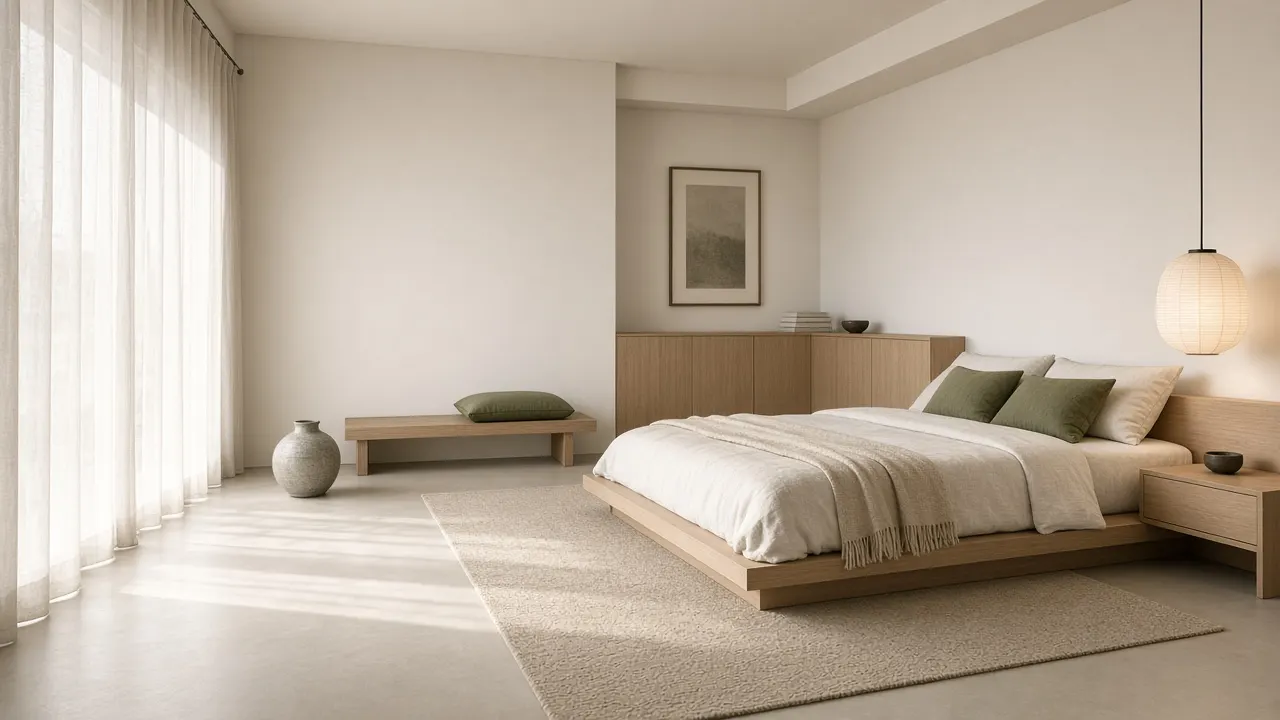
Japandi Bedroom Ideas
Japanese restraint with Scandinavian warmth.
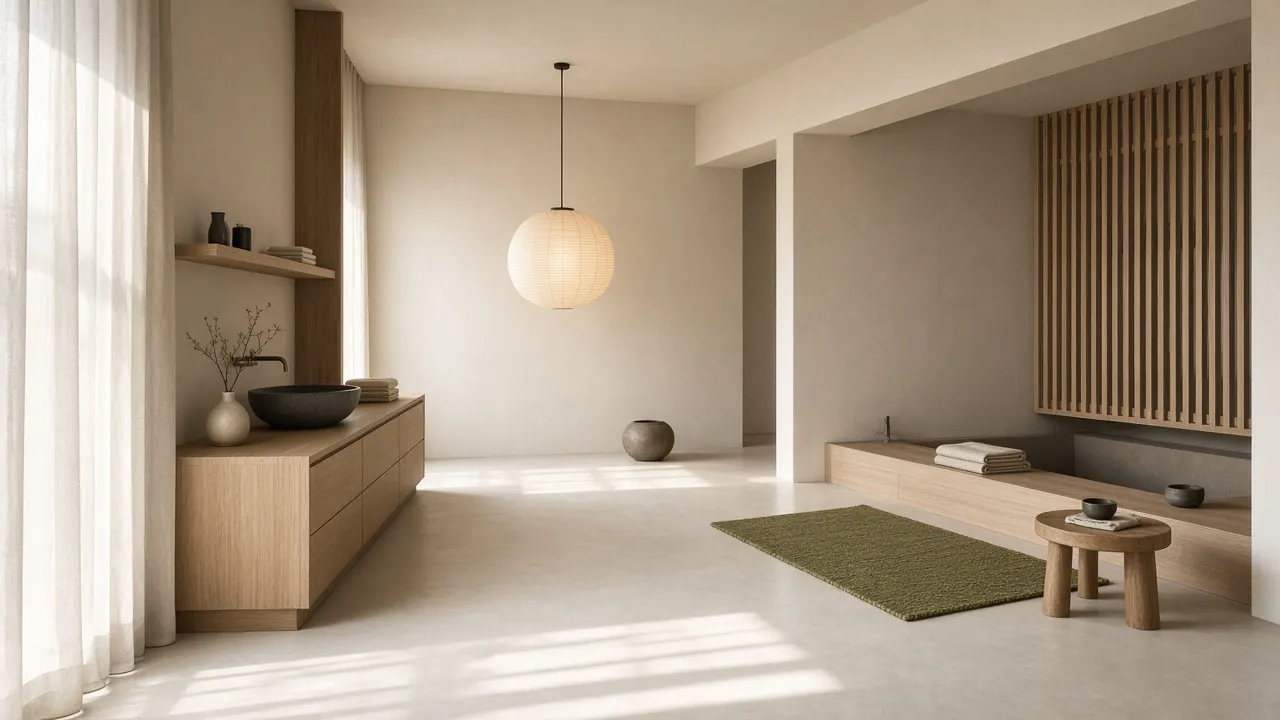
Japandi Bathroom Ideas
Japanese restraint with Scandinavian warmth.
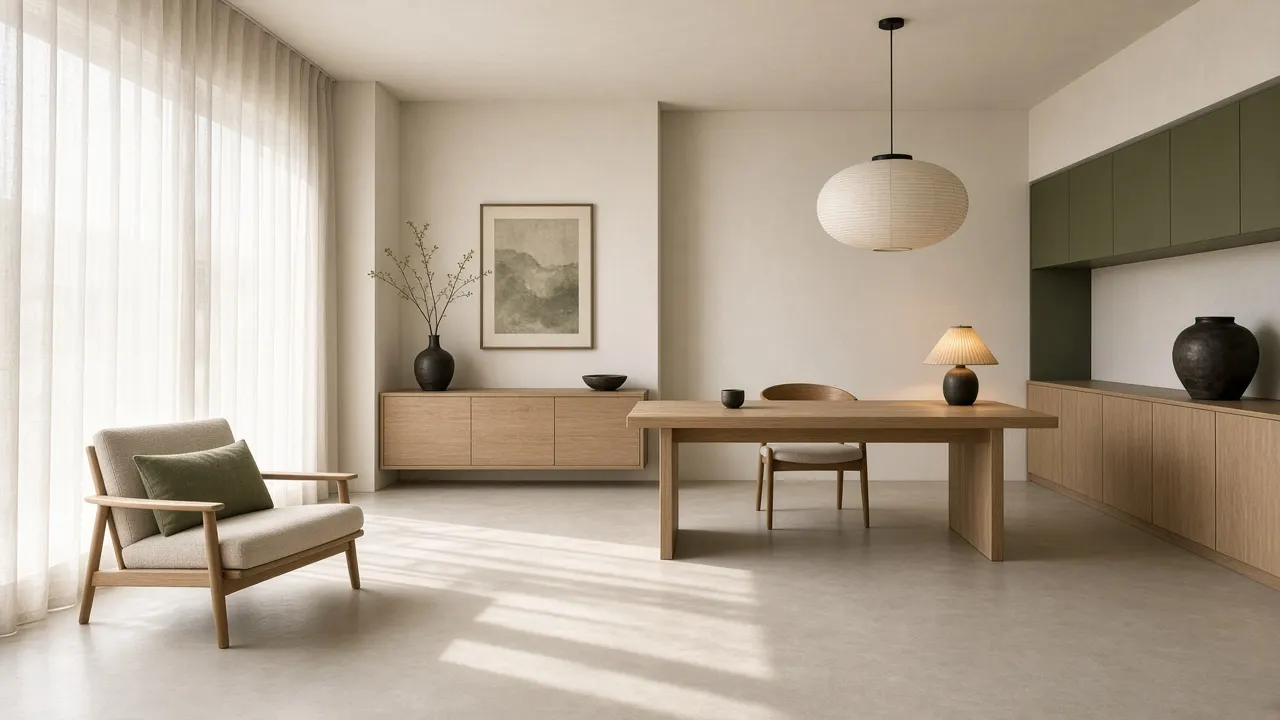
Japandi Home Office Ideas
Japanese restraint with Scandinavian warmth.
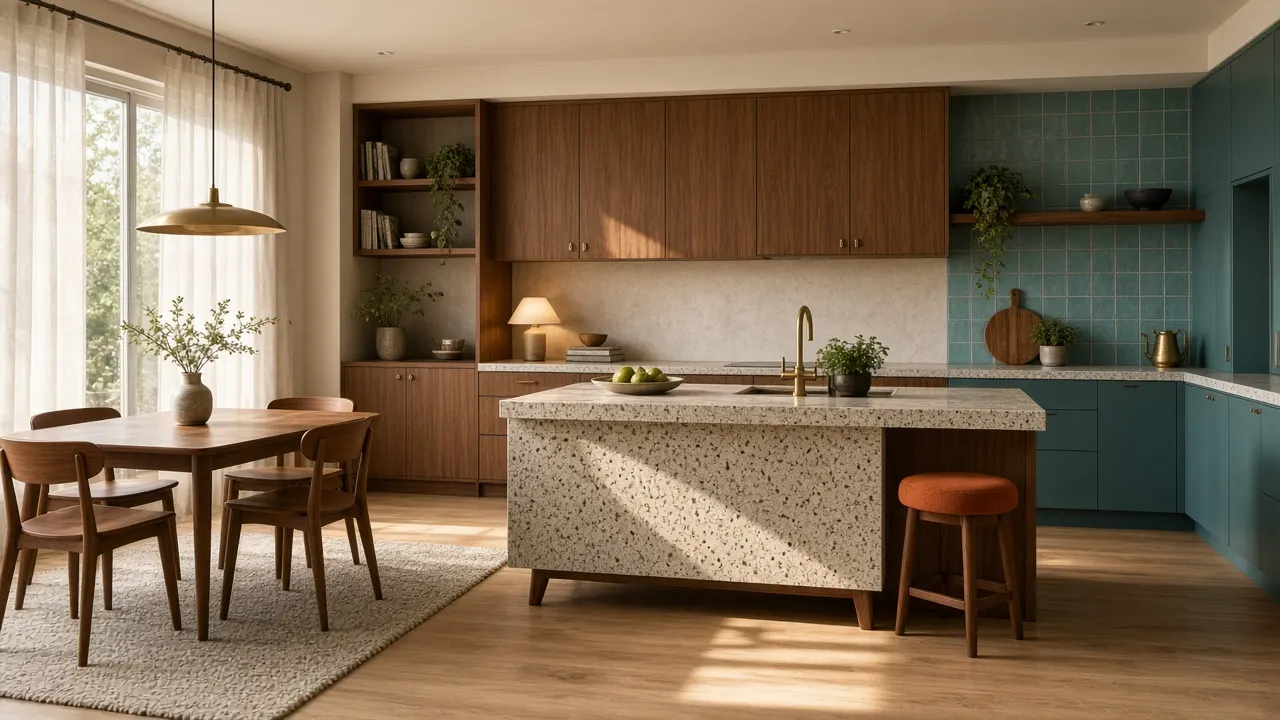
Mid-Century Modern Kitchen Ideas
Tapered legs, walnut, and one bold hue.